
We asked dozens of SEOs who work with some of the world’s top publishers which tools they couldn’t live without.
From real-time tracking to content ideation, we present a curated selection of SEO tools endorsed by those who’ve mastered the art of online publishing.
Key Takeaways
- Choose Chartbeat if you want live audience analytics that show how readers engage with your content, so editorial decisions follow real-time data.
- Pick GDDash if Google Discover is a major traffic source for your publication and you want to see how your content performs there.
- Use AlsoAsked if you want content ideas built from the questions people ask around your topics in Google’s “People Also Ask.”
- Go with Semrush when you want keyword research, site audits, and competitor analysis from one suite.
- Choose Surfer if you want to optimize pages against what currently performs in search results, with real-time content scoring as you write.
- Consider Screaming Frog if you need a deep crawl to find technical issues such as broken links and missing meta tags.
Best for Real-Time Tracking and Analytics
In digital publishing, the ability to adapt content strategies in response to real-time data can set leading publishers apart.
This section delves into essential tools that offer this pivotal insight, enabling publishers to harness the power of immediate analytics for informed decision-making and enhanced audience engagement.
Chartbeat
Overview
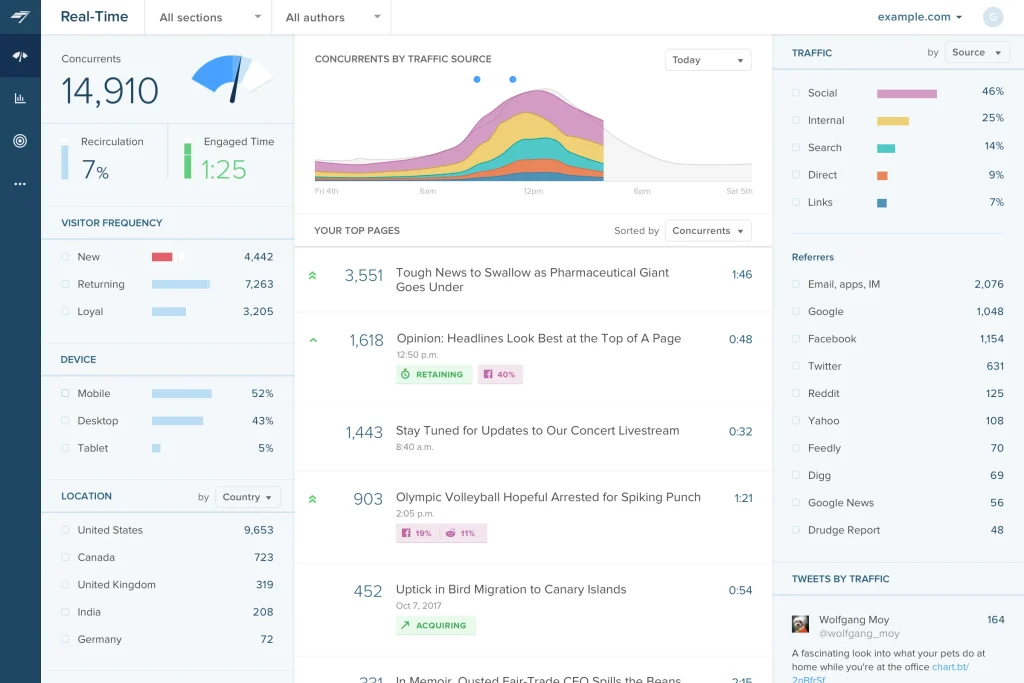
Chartbeat offers live audience analytics, giving publishers instant insights into how readers are interacting with their content, enabling data-driven editorial decisions.
Pros:
✅ Real-time engagement data.
✅ Intuitive interface with actionable insights.
Cons:
❌ Higher cost can be a barrier for smaller publishers.
❌ Some features overlap with other analytics platforms.
Chartbeat is instrumental for our data analysis—it’s similar to Google Analytics in that it provides page views, but it goes further by breaking down the data into quality and unique visits, as well as total engaged minutes. Chartbeat also offers insights grouped by factors like word count and time on page, depending on what you’re looking for. This level of detail is crucial for optimizing our content to better engage our audience.
 Lauren Anderson, Parade Entertainment News Reporter, The Arena Group
 NewzDash
Overview
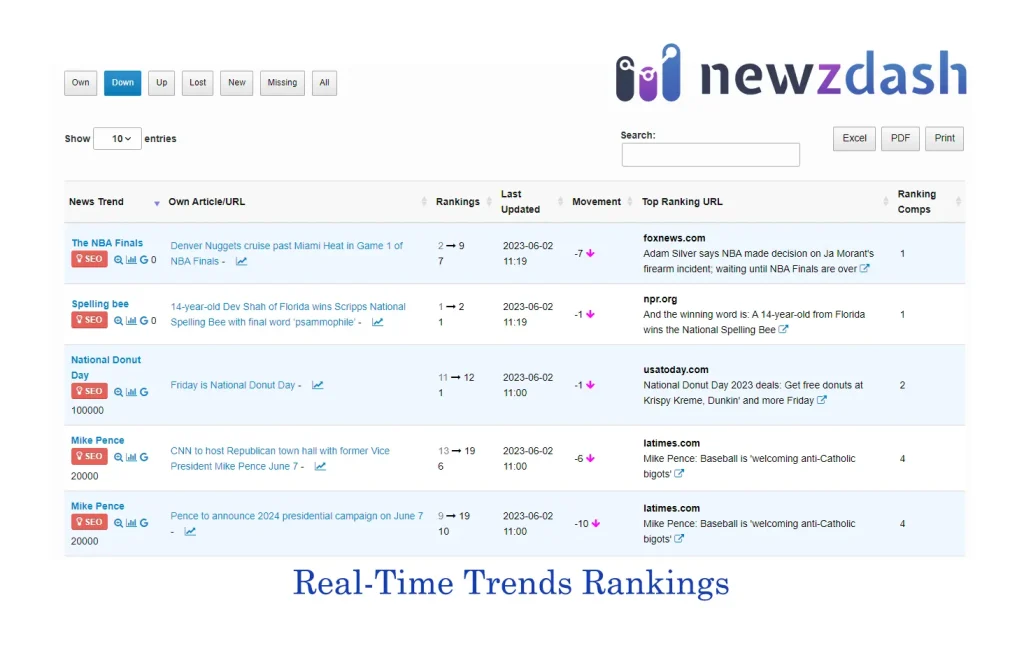
NewzDash is a specialized SEO tool that helps publishers boost visibility in Google News and Top Stories.
It offers in-depth tracking of trending stories and how they’re performing across search engines in real time.
Pros:
✅ Tailored analytics for news content.
✅ Enables quick response to trending topics.
Cons:
❌ May present a learning curve for new users.
❌ Best suited for larger publishers with dedicated SEO budgets.
Trisolute
Overview
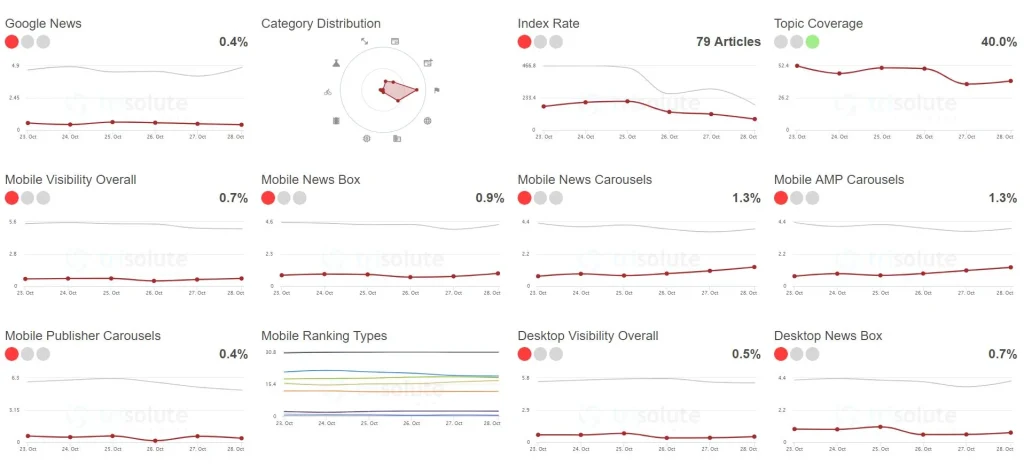
Trisolute News Dashboard provides valuable insights into news visibility on Google, helping publishers optimize their content for better reach and engagement.
Pros:
✅ Custom alerts for immediate news trends.
✅ Comprehensive visibility tracking across Google.
Cons:
❌ Primarily benefits news-focused websites.
❌ Requires integration with other analytics tools for a full view.
Marfeel
Overview
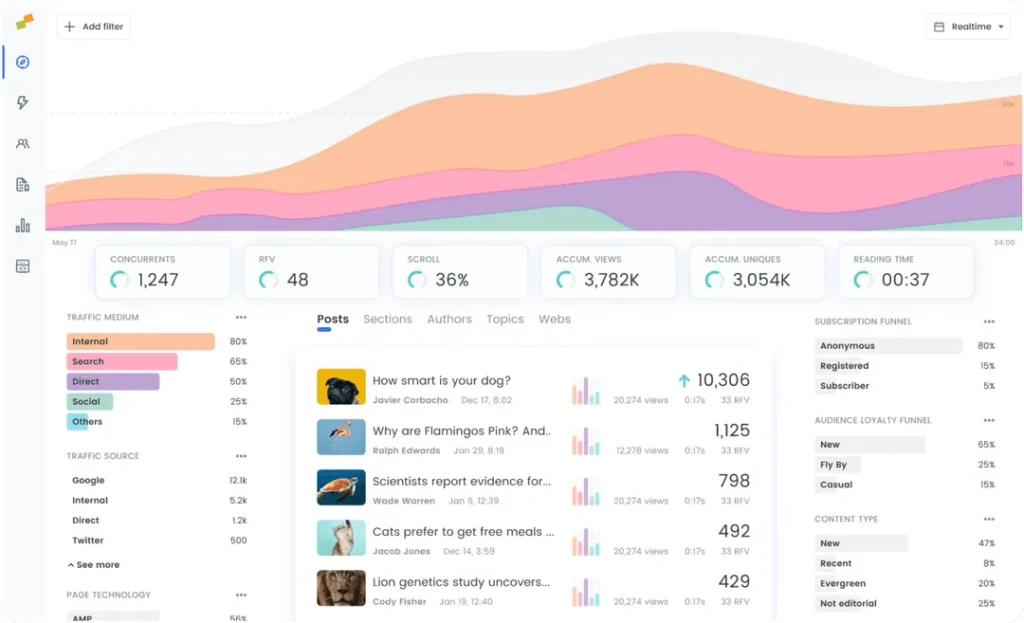
Marfeel is a great platform for optimizing the experience of mobile users. The tool integrates with real-time analytics to help publishers understand and improve mobile audience engagement.
Pros:
✅ Focuses on enhancing mobile user experience.
✅ Combines analytics with monetization for improved ROI.
Cons:
❌ Mainly beneficial for mobile web publishers.
❌ Full integration may need additional technical resources.
News tracking tools like NewzDash and Trisolute can be very useful for newsrooms that have the budget. Real-time analytics are crucial for newsrooms, and platforms like Marfeel and Chartbeat offer great software for this. Many tools are context-specific, but when it comes to tracking the pulse of audience engagement and making informed decisions, these tools are invaluable for publishers looking to stay ahead in the competitive landscape of digital news.
 Barry Adams, Independent SEO Consultant for News Publishers
 Parse.ly
Overview
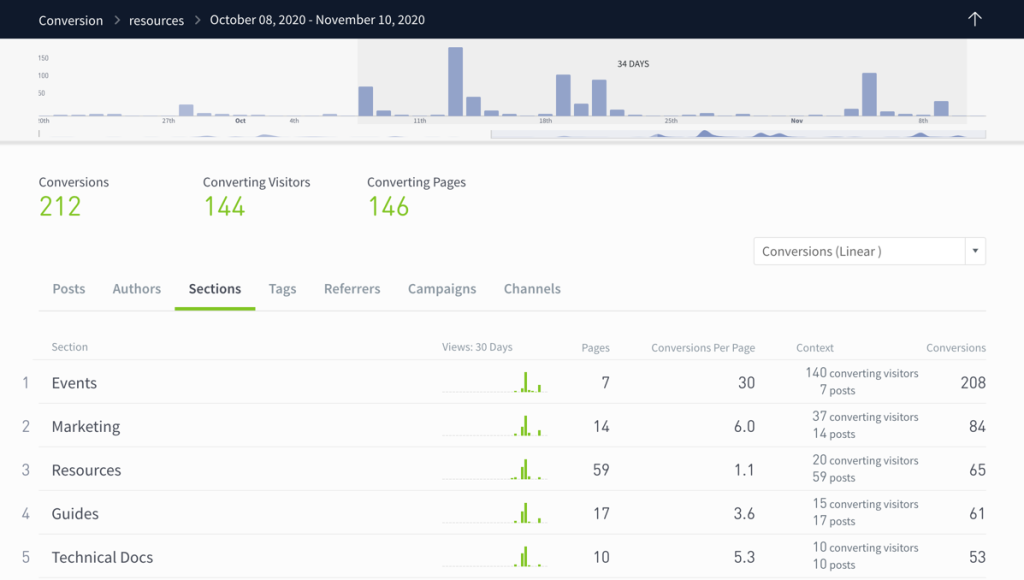
Parse.ly offers a deep dive into audience analytics and content performance, tailored for digital publishers.
Its insights help news organizations understand reader behavior, informing content strategies to build engagement and loyalty.
Pros:
✅ Comprehensive analytics on audience behavior and content engagement.
✅ Customizable reports and dashboards to fit publisher needs.
Cons:
❌ Primarily targets larger publishers, which might be less accessible for smaller entities.
❌ The volume and depth of data require dedicated resources to analyze and act upon.
GDDash
Overview
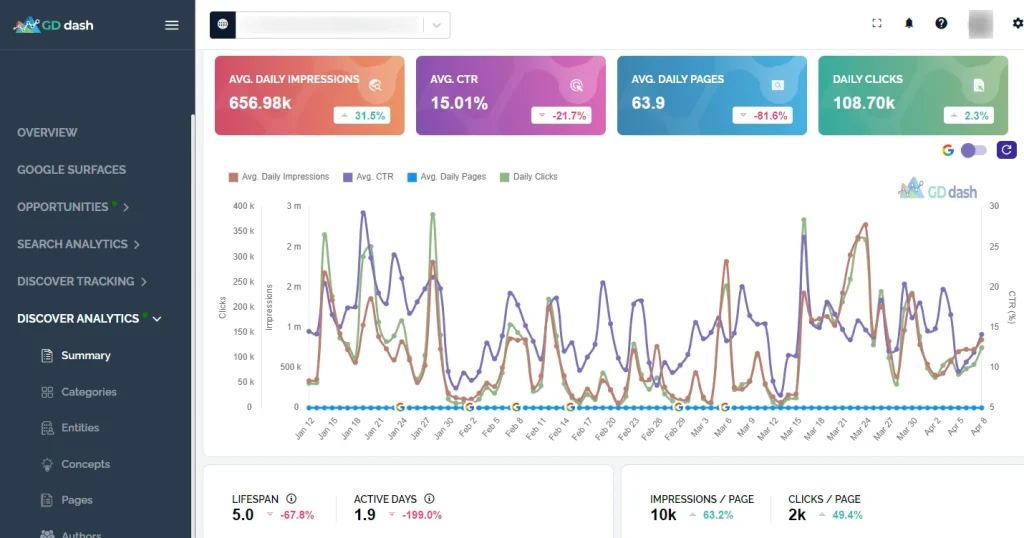
GDDash specializes in analytics for Google Discover, which is a critical traffic source for news publishers.
It offers detailed insights into how content performs, aiding publishers in optimizing for Discover’s unique content delivery system.
Pros:
✅ Tailored insights for enhancing visibility on Google Discover.
✅ Helps publishers align content with audience preferences on the platform.
Cons:
❌ Focuses exclusively on Google Discover, requiring additional tools for comprehensive analytics.
❌ Effective use demands high-quality, engaging content production.
Real-time analytics is crucial for newsrooms, and platforms like GDDash are great for Discover tracking. Discover can be a huge traffic source for publishers, so tracking this channel can be mission-critical. While tools like NewzDash are useful for newsrooms that have the budget, GDDash provides essential insights for those looking to tap into the potential of Google Discover.
Barry Adams, Independent SEO Consultant for News Publishers Best for Content Discovery and Idea Generation
Identifying what audiences are curious about and generating content that aligns with these interests are fundamental to engaging readership.
This section explores tools designed to uncover trending topics and inspire fresh content ideas, pivotal for maintaining relevance and capturing audience attention.
AlsoAsked
Overview
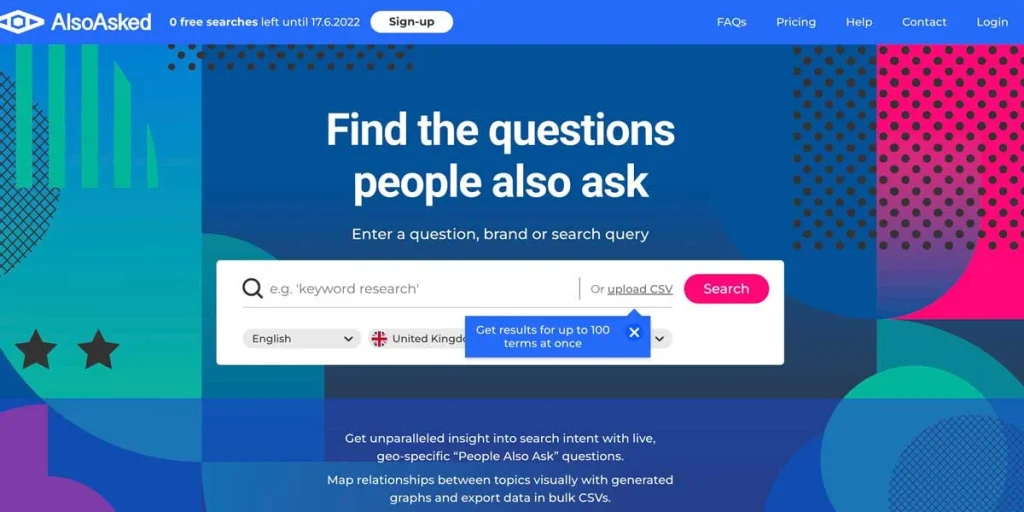
AlsoAsked takes the guesswork out of understanding audience queries by mining data from Google’s “People Also Ask” feature.
It reveals the questions users are asking related to specific keywords, providing a roadmap for content that directly answers audience needs.
Pros:
✅ Generates content ideas based on actual search queries.
✅ Helps in identifying related topics for comprehensive coverage.
Cons:
❌ Mainly useful for question-oriented content strategy.
❌ May require additional keyword research tools for complete insights.
AnswerThePublic
Overview
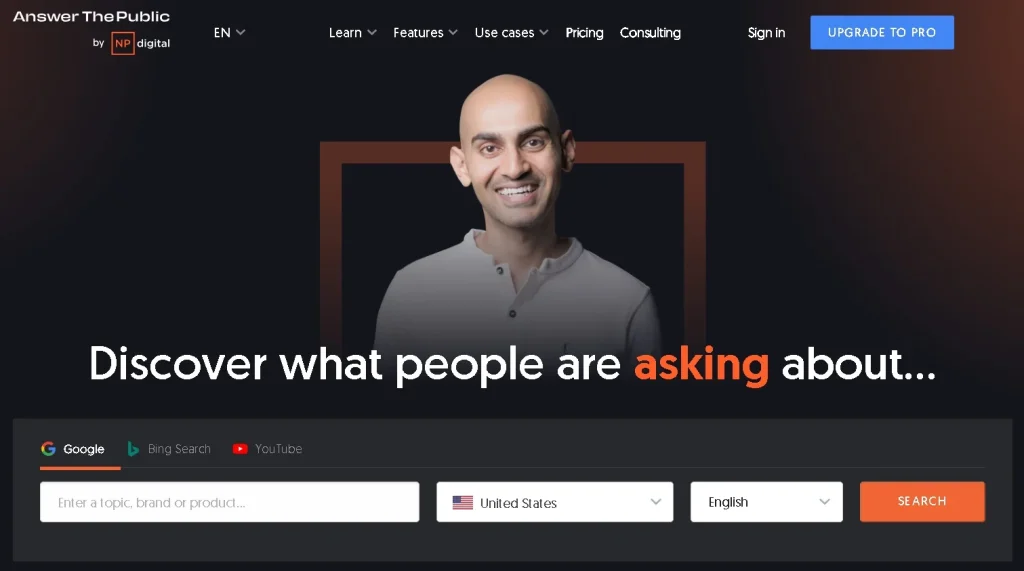
AnswerThePublic visualizes search data, offering a unique perspective on the questions, prepositions, and comparisons users make around specific keywords.
This tool aids in discovering nuanced content angles and long-tail keyword opportunities.
Pros:
✅ Visual keyword research tool offering immediate content inspiration.
✅ Expansive view of related queries for thorough topic exploration.
Cons:
❌ The sheer volume of data can be overwhelming for broad keywords.
❌ Limited queries available without a premium subscription.
AlsoAsked vs. AnswerThePublic
While both AlsoAsked and AnswerThePublic excel in revealing what audiences are curious about, they serve slightly different needs.
AlsoAsked delves deep into question-based exploration, making it ideal for developing FAQ content or addressing specific audience inquiries.
In contrast, AnswerThePublic offers a broader sweep of search queries, supporting content ideation with its rich visual representation of related topics and questions.
This is perfect for initial brainstorming and identifying less obvious content opportunities.
NewsWhip
Overview
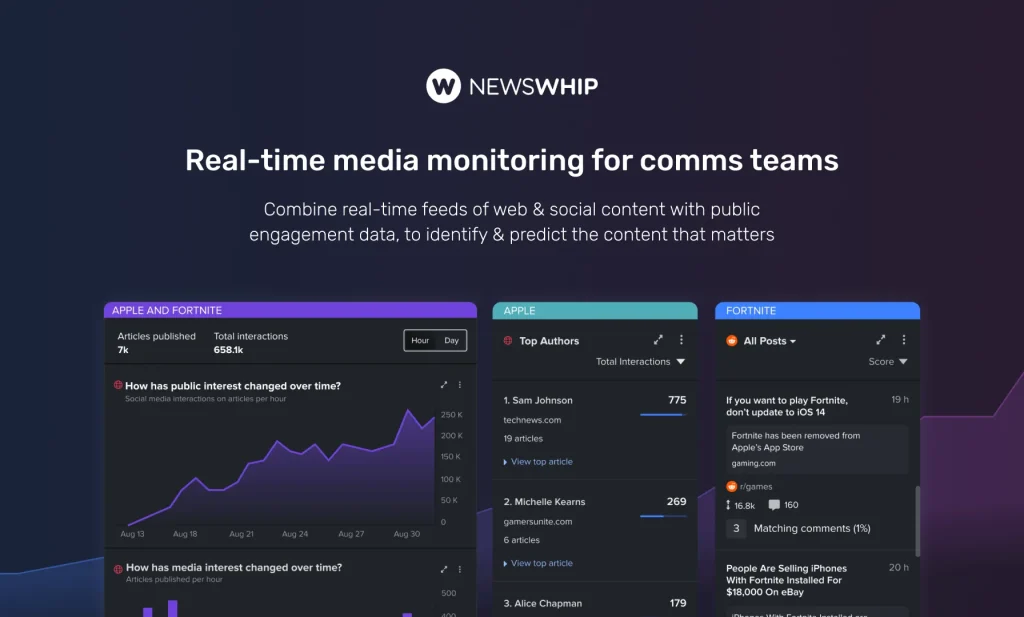
NewsWhip is an essential tool for publishers aiming to identify and leverage viral trends.
It tracks real-time social media signals to forecast content popularity, enabling publishers to craft stories that resonate with current audience interests.
Pros:
✅ Offers alerts on emerging trends and stories gaining traction.
✅ Provides engagement data, helping publishers understand what captures audience attention.
Cons:
❌ The emphasis on viral trends may not suit all editorial strategies.
❌ Cost may be prohibitive for smaller newsrooms.
Taboola Newsroom
Overview
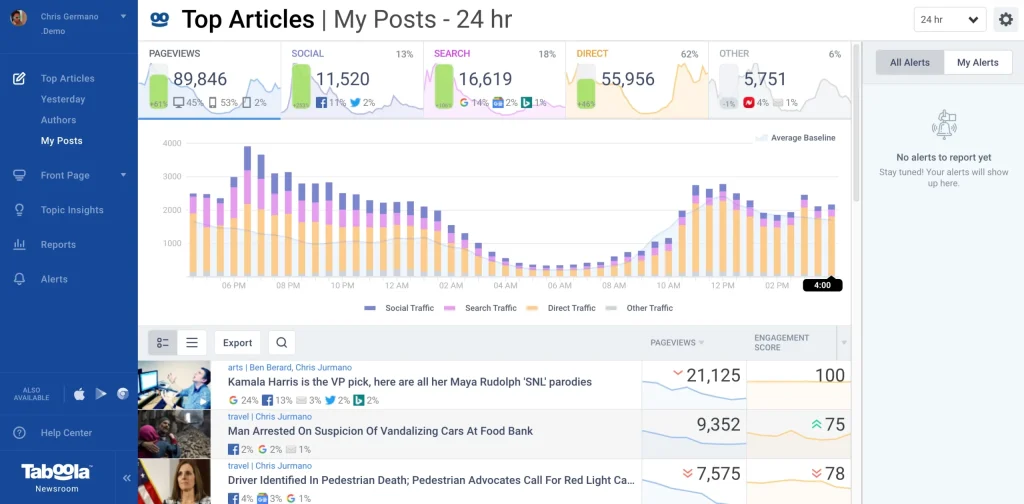
Taboola Newsroom goes beyond simple trend tracking, providing real-time insights into what topics are capturing audience interest across the web, enabling publishers to adjust their content strategies dynamically.
Pros:
✅ Access to real-time trending data and audience engagement insights.
✅ Useful for editorial decisions and understanding content performance.
Cons:
❌ Optimal use cases often involve leveraging Taboola’s broader advertising ecosystem.
❌ Lacks the depth of keyword research compared to specialized SEO tools.
Taboola Newsroom is not just for SEOs but it’s great for understanding what topics are trending in real time and where your content fits within that. It’s a good starting point to figure out areas people are interested in, to then go and craft our own ideas on how to serve that interest.
 Sarah Hodgson, Former SEO Editor, Reach PLC
 Best for SEO Research and Keyword Analysis
The cornerstone of any successful digital strategy lies in the ability to conduct comprehensive SEO and keyword analysis.
This not only ensures that your content is visible to the right audience but also helps you stay one step ahead of the competition.
Below, we explore key tools that are instrumental in achieving these goals, each accompanied by insights from industry experts.
Semrush
Overview
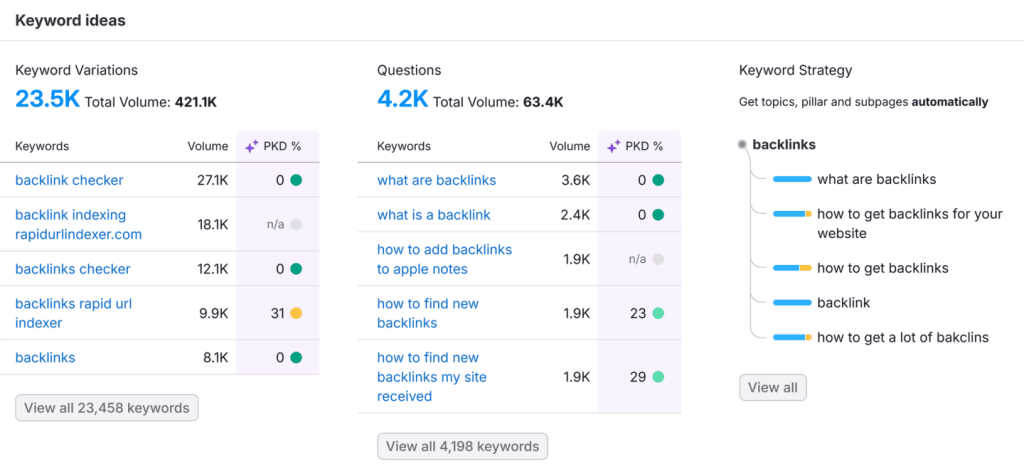
Semrush is a powerhouse in the SEO tool space, offering a suite that spans from keyword research and site audits to competitor analysis.
Its ability to provide actionable insights across various dimensions of SEO makes it a go-to for marketers seeking to elevate their online presence.
Pros:
✅ Rich features for comprehensive SEO campaigns.
✅ Detailed competitor insights for strategic planning.
Cons:
❌ The breadth of features can be daunting for beginners.
❌ Premium pricing may deter small businesses or solopreneurs.
Ahrefs
Overview
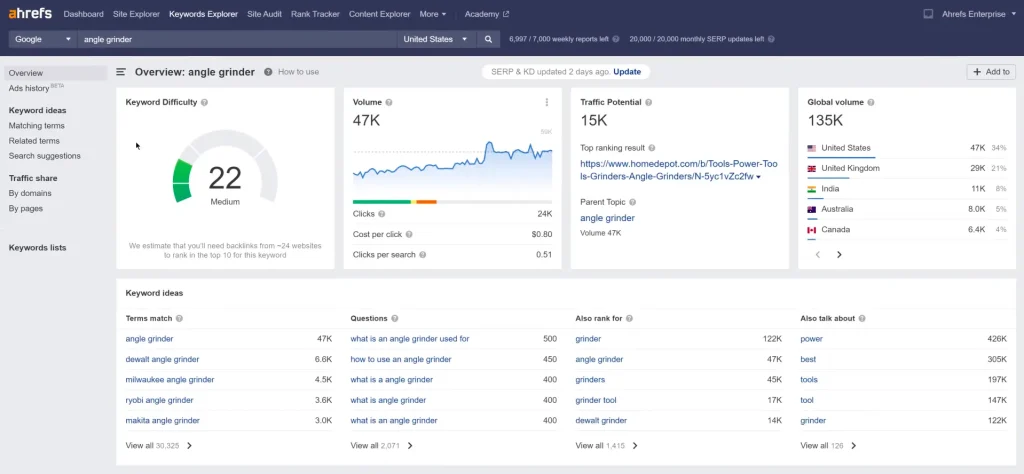
Ahrefs is renowned for its backlink analysis capabilities, but also excels in keyword research and content exploration.
Its database and tools are essential for those looking to understand their SEO landscape fully and identify opportunities for growth.
Pros:
✅ Superior for tracking backlinks and site health.
✅ Intuitive interface with detailed keyword analytics.
Cons:
❌ Higher price point compared to some alternatives.
❌ Some advanced features require a learning investment to maximize their value.
Sistrix
Overview
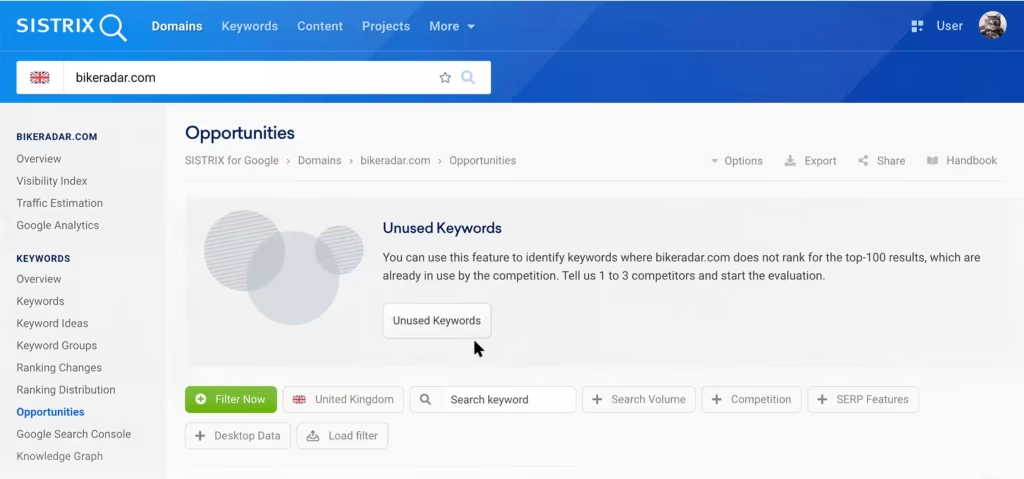
Sistrix shines in offering visibility indices that help publishers and marketers gauge their SEO performance relative to the competition.
It’s particularly valued for its market analysis and opportunity evaluation capabilities, designed to support strategic decision-making.
Pros:
✅ Specializes in visibility and competitive analysis.
✅ Flexible modules tailored to different SEO needs.
Cons:
❌ Data interpretation can be challenging without prior SEO knowledge.
❌ Modular pricing may add complexity to subscription choices.
seoClarity
Overview
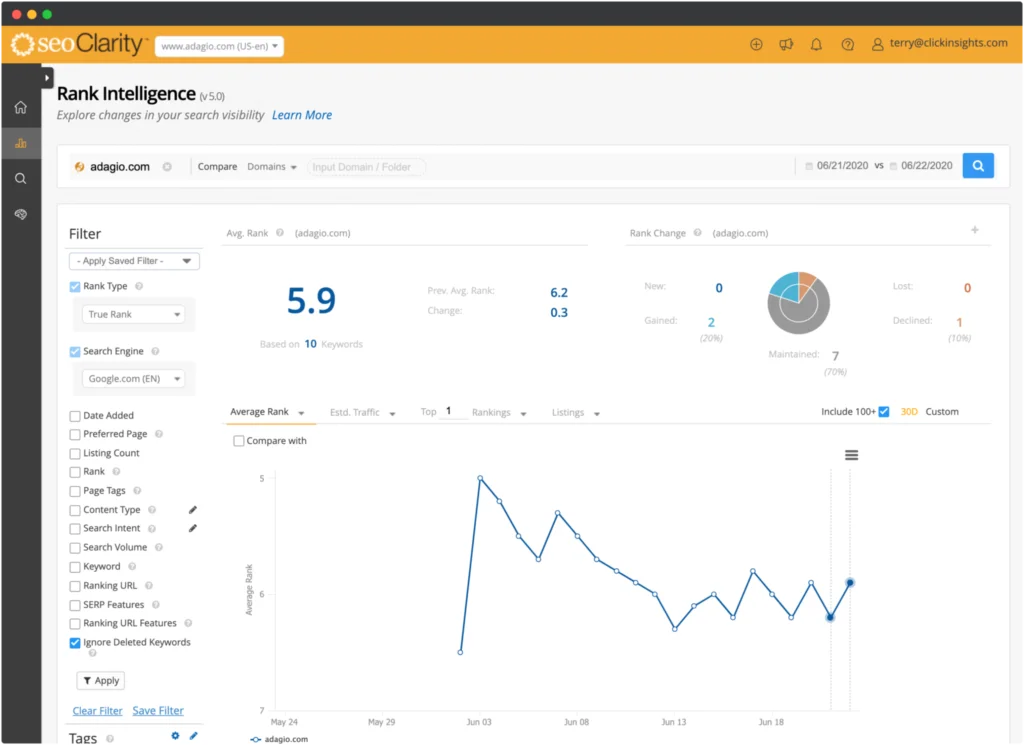
seoClarity caters to enterprise-level SEO needs with its robust platform, offering deep dives into search trends, competitor analysis, and actionable insights for site optimization.
It’s engineered to support large-scale SEO operations with precision and customizability.
Pros:
✅ Extensive features for enterprise-scale SEO strategy.
✅ Customizable dashboards enhance data-driven decision-making.
Cons:
❌ Best suited for larger organizations or agencies.
❌ Comprehensive features come with a learning curve.
When evaluating opportunities at scale, we typically turn to tools like Ahrefs, SEMrush, Sistrix and SEOClarity. It’s important to remember, though, that these tools are only as good as the analyst using them. SEOs often rely heavily on estimated traffic numbers from these tools, which can never quite match the value of looking at actual first-party data and identifying trends within your own data. Everyone has access to the same data when using third-party tools, but leaning on your own unique datasets will always give you a leg up over competitors.
 Michael Weisbaum, Senior Vice President, Growth & Content Strategy, Dotdash Meredith
 Best for Content Optimization
Optimizing content to meet the high standards of today’s search engines can significantly enhance a publisher’s visibility and audience engagement.
This section delves into tools specifically designed to refine the quality of content through sophisticated SEO strategies, ensuring it resonates with both search engines and readers.
Surfer
Overview
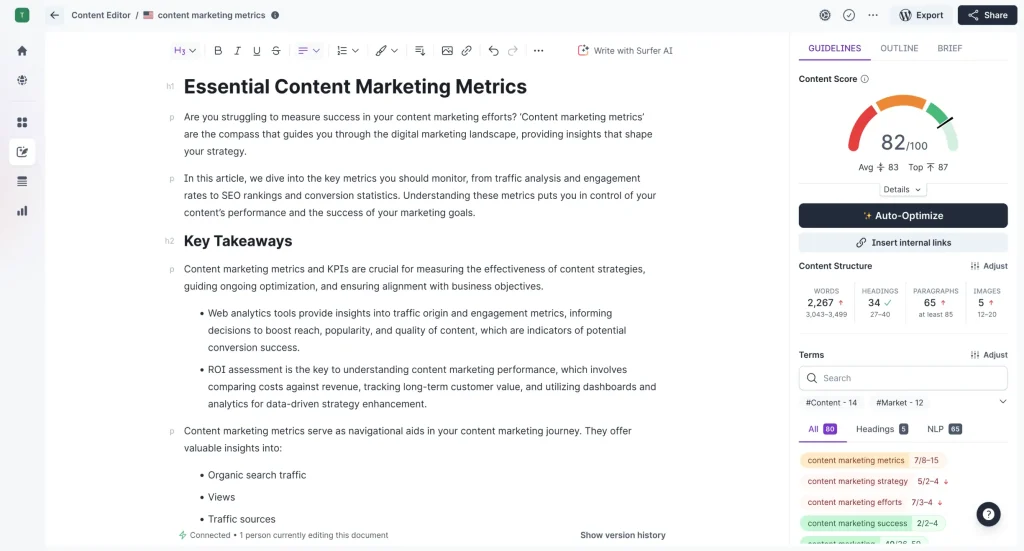
Surfer is a cutting-edge tool that analyzes your content against what currently performs best in search engine results.
It provides detailed guidelines and data-driven insights to optimize your pages for improved rankings.
Pros:
✅ Delivers thorough guidelines for keyword density, structure, and other on-page elements based on leading competitor analysis.
✅ Real-time content scoring helps adjust content during the writing process to meet SEO standards.
Cons:
❌ The comprehensive features come with a higher price tag, which may be a barrier for smaller publishers or independent writers.
❌ The depth of data and suggestions requires a moderate level of SEO knowledge to implement effectively.
NeuronWriter
Overview
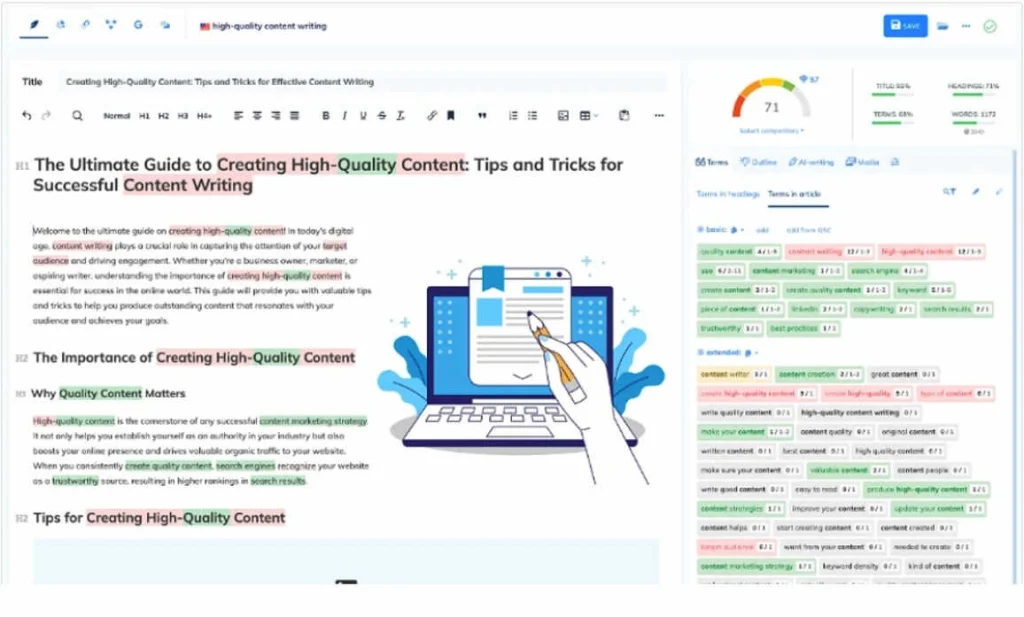
NeuronWriter offers a unique approach by combining natural language processing (NLP) with thorough competitor and semantic analysis.
This tool guides publishers in crafting content that not only ranks well but also thoroughly addresses user queries.
Pros:
✅ Employs advanced NLP and semantic analysis to suggest content improvements, making articles more relevant and engaging.
✅ Visualizes competitor data and content strategies to identify gaps and opportunities for enhancement.
Cons:
❌ Can be complex for beginners without a solid background in SEO, given the advanced strategies and data interpretation involved.
❌ While powerful, the tool requires time to explore and understand all features to maximize its benefits.
Surfer and Neuronwriter are both great. But if I have to choose one SEO tool that I can’t work without—that would be Neuronwriter. It’s easier to use, more cost-effective, and easier to select competitors that are more pertinent to your topics. Invaluable tool all around!
 Christina M. Ward, Freelance Health & Wellness Writer
 Best for Technical SEO and Performance Optimization
The backbone of a successful online presence is robust technical SEO and seamless site performance.
These elements ensure that content is not only discoverable but also accessible and enjoyable for audiences, thus directly impacting search rankings and user satisfaction.
Here, we explore essential tools that aid publishers in achieving these technical benchmarks.
Screaming Frog
Overview
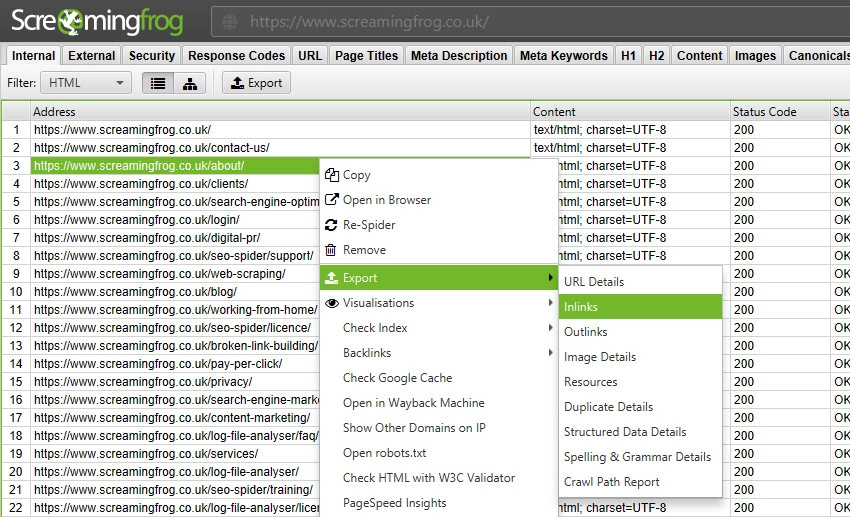
Screaming Frog is an indispensable tool and renowned for its deep crawling capabilities. It identifies a wide array of technical SEO issues, from broken links to missing meta tags, facilitating comprehensive site audits.
Pros:
✅ Offers extensive site crawling to uncover SEO issues.
✅ Provides detailed reports on findings for targeted improvements.
Cons:
❌ The interface may appear daunting for SEO newcomers.
❌ The free version limits the number of pages you can crawl, necessitating an upgrade for larger sites.
Botify
Overview
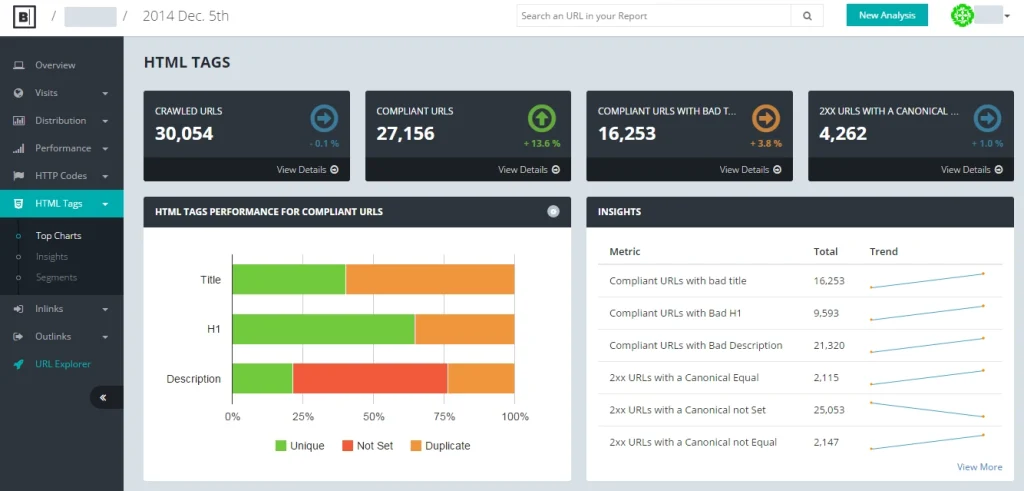
Botify stands out for its holistic analysis of a website’s search performance, encompassing site architecture and content optimizations to bolster technical SEO and site health.
Pros:
✅ Delivers an all-encompassing view of technical SEO health.
✅ Seamless integration with analytics tools for enriched insights.
Cons:
❌ Its comprehensive features come at a higher cost, which may deter smaller operations.
❌ The platform’s depth necessitates a significant learning investment to fully leverage.
DataDog
Overview
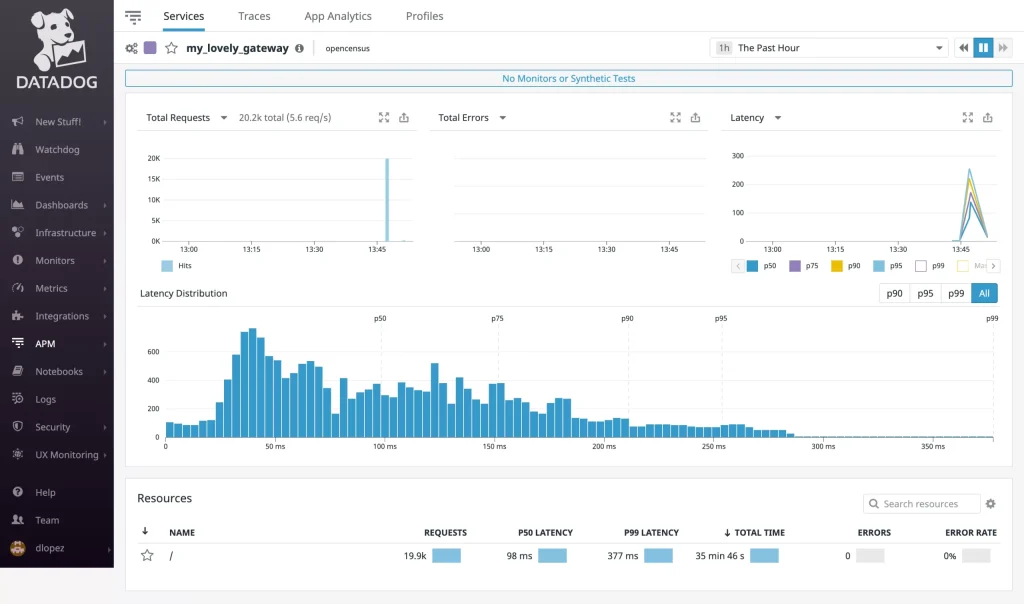
DataDog offers a monitoring and analytics platform that spans across website performance, uptime, and security metrics, equipped to furnish actionable insights for user experience enhancements.
Pros:
✅ Real-time tracking of website performance issues and security threats.
✅ Customizable alerts and dashboards tailored to specific monitoring needs.
Cons:
❌ Primarily designed for broader IT monitoring, requiring specific setup for SEO-related tracking.
❌ The platform’s complexity may require dedicated IT skills for optimal use.
Webperf
Overview
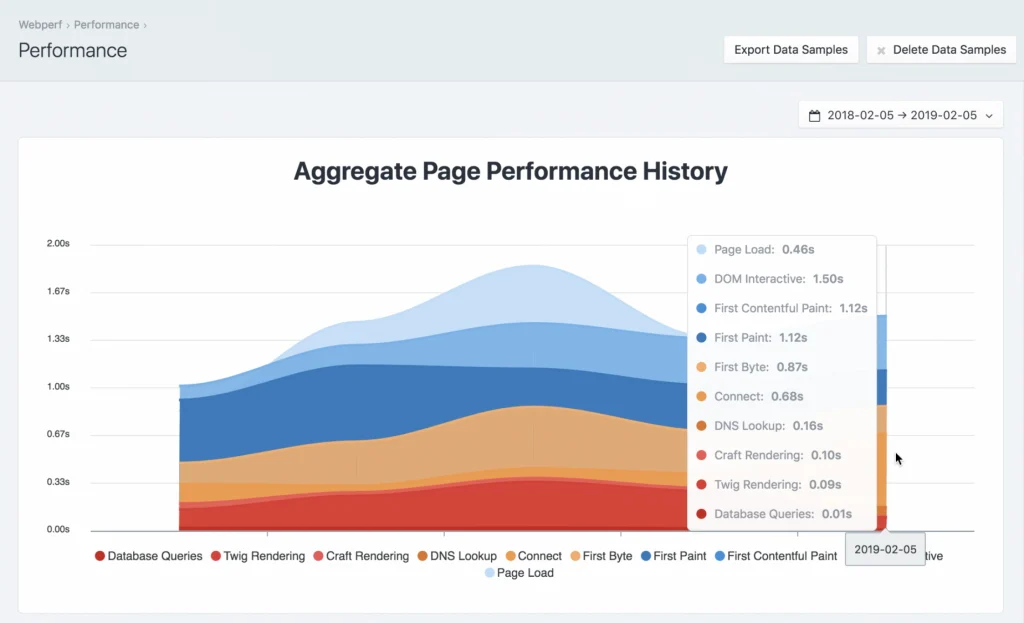
Webperf specializes in website speed and performance monitoring, equipping publishers with insights to optimize for quicker load times and smoother site operation.
This is crucial for maintaining competitive search rankings and enhancing user experience.
Pros:
✅ Dedicated focus on measuring and improving website speed.
✅ Intuitive reports and insights to guide performance optimizations.
Cons:
❌ While specializing in speed, may need to be complemented with tools covering other SEO aspects.
❌ Integration with broader SEO and analytics suites may be necessary for a holistic view.
While pricey, Botify is something I adore; it’s a very powerful internal tool that allows me to target issues and prioritize them for my Dev team. I use the standard GSC and compare it against Webperf to help inform my day-to-day performance, and DataDog to track any issues I am seeing on the production site.
 Ronin Bennett-Vonderostensacken, Former PM of Technical SEO, Business Insider
 LinkStorm
Overview
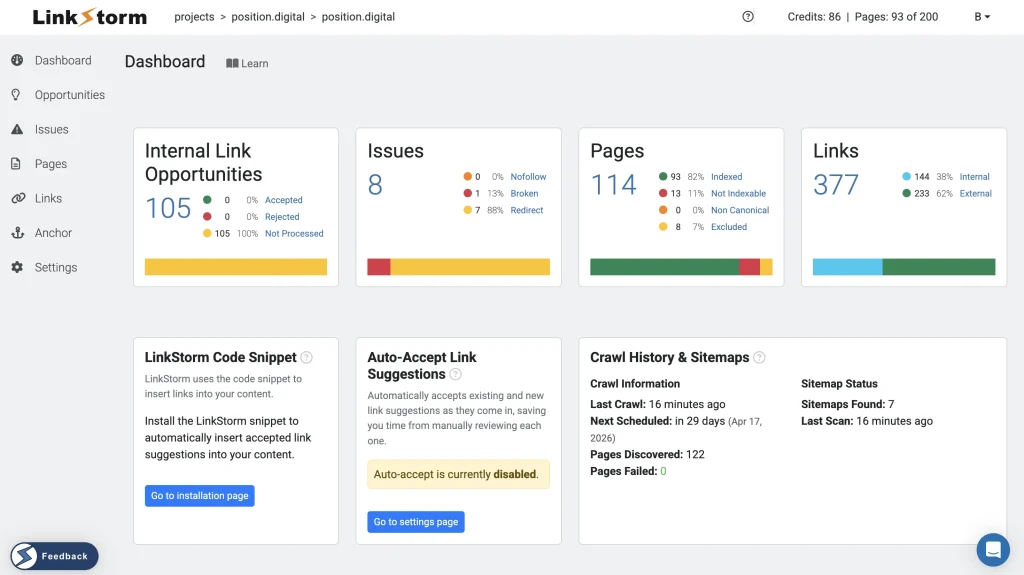
LinkStorm is an AI-powered internal linking tool that helps SEOs and publishers optimize internal link structures.
By analyzing your site’s content, it provides actionable link suggestions to enhance SEO performance and improve user navigation.
Pros:
✅ Streamlines internal linking with AI-driven recommendations.
✅ Resolves issues like broken links and redirects.
✅ Ensures optimized and varied anchor texts.
Cons:
❌ Focuses on internal linking; not a full SEO suite.
❌ Requires setup and integration with tools like Google Search Console.
Best Free Tools
Not all powerful tools come with a hefty price tag. Some of the most effective resources are freely available, offering a wealth of data and insights to anyone willing to dive in.
These tools are particularly beneficial for beginners and those refining their SEO strategies, providing essential insights without the need for significant upfront investment.
SEO Review Tools
Overview
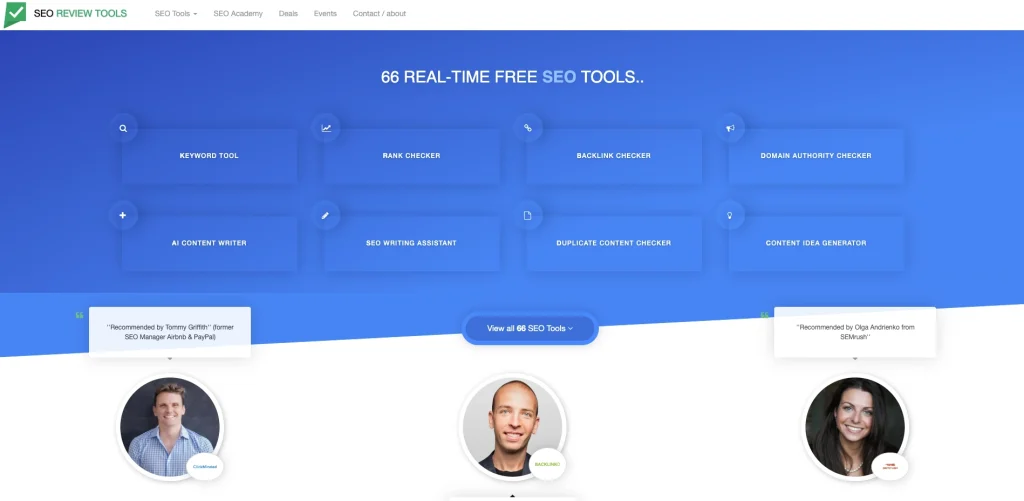
SEO Review Tools offers a suite of free tools, particularly valuable for its content analysis feature.
Publishers can input text and a keyword to get an instant report on SEO compliance, covering aspects like word counts, text structure, and readability.
Pros:
✅ Free and accessible to all users, making it an excellent option for individuals or small teams on a budget.
✅ Provides immediate feedback on content, allowing for quick adjustments before publication.
Cons:
❌ While very useful for basic analysis, it may lack the depth of more comprehensive paid tools.
❌ The reliance on user input for keywords means it might not offer the strategic insight of tools that analyze based on broader data sets.
While there are a lot of great paid SEO platforms that provide a high level of insight, I always recommend a free site called SEO Review Tools for a quick and effective breakdown. It’s very intuitive and helps you align your text with SEO best practices. Simply enter or paste your text, assign a keyword, and it will show how your content aligns with best practices and where there is room for improvement.
 Matt Caskey, Copywriter, LOCOMOTIVE Agency
 Google Trends
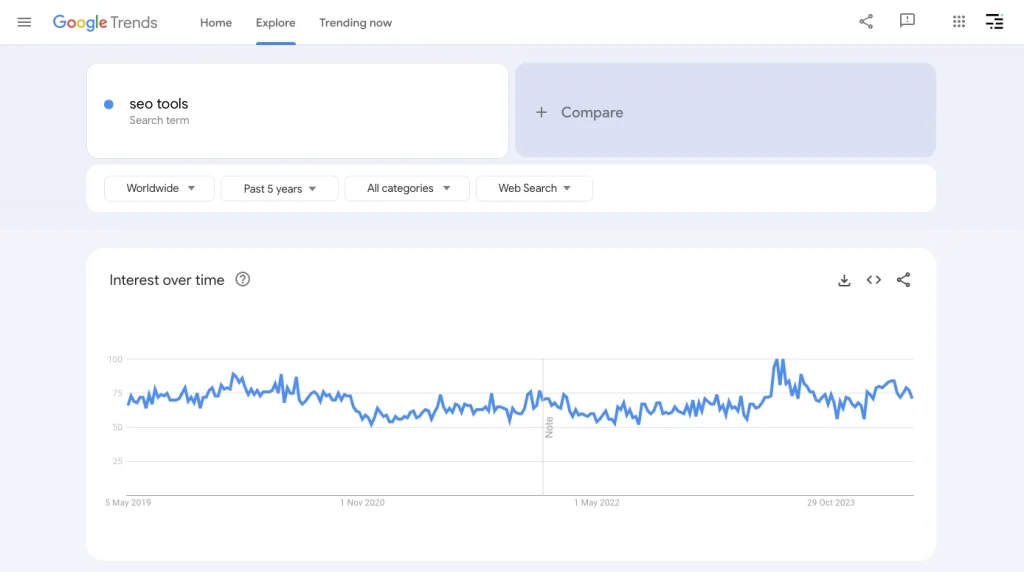
Overview
Google Trends is an indispensable tool for gauging the popularity of search terms and topics over time, allowing publishers to tap into current interests and seasonal trends.
Pros:
✅ Provides a global view of search query popularity.
✅ Identifies trending topics for timely content creation.
Cons:
❌ Broad trends may not offer granularity for niche topics.
❌ Requires additional research to apply insights effectively.
Google Search Console
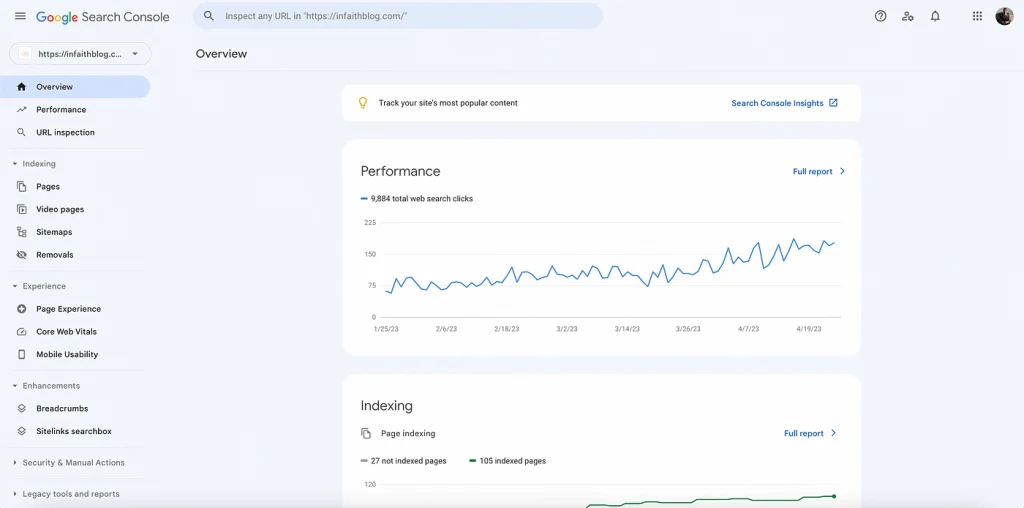
Overview
Google Search Console offers critical insights into search traffic, indexing status, and optimization opportunities, and acts as a direct line to understanding how websites perform in Google search.
Pros:
✅ Detailed reports on search queries, page performance, and user engagement.
✅ Notifications of issues affecting site visibility and recommendations for fixes.
Cons:
❌ Some features have a learning curve for new users.
❌ Interpretation of data requires foundational SEO knowledge.
Google’s Search Features
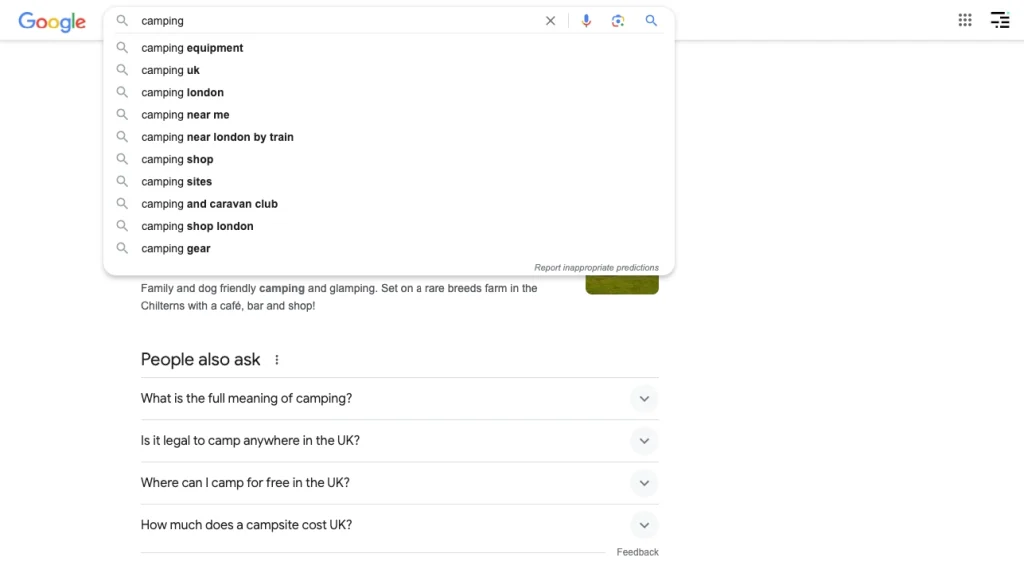
Overview
Utilizing Google’s search predictions and “People Also Ask” boxes can unlock immediate insights into prevalent user queries and interests, directly informing content strategy and creation.
Pros:
✅ Direct insight into what users are searching for related to specific topics.
✅ Guides content creation with questions and queries real users are asking.
Cons:
❌ Insights may be fleeting, based on current search trends.
❌ Creative application is required to translate observations into actionable content strategies.
Sometimes nothing beats good old-fashioned research. One of the most useful tools is just to use Google Search to find competitors, keywords they’re ranking for, similar keywords, and additional topics or information I might cover — like featured snippets answers.
 Briley Kenney, Freelance Content Writer for Various Publications
 Over to You…
This guide has outlined the top SEO tools recommended by industry professionals, tailored to empower digital publishers.
By integrating these tools into your SEO strategy, you can enhance your content’s visibility, engage your audience more effectively, and stay competitive.